Your Experience Matters
World Mental Health Day 2026 is about real voices and real change. And a reminder that understanding mental health begins with listening. Have you ever tried to explain what you’re going through, only to feel that someone wasn’t really hearing you?
Maybe they offered advice before you finished speaking. Told you to look on the bright side. Assumed they knew what you needed. Or focused so much on solving the problem that they missed what you were trying to say.
Sometimes, what we want most is for someone to understand our experience before trying to change it. That simple idea is at the heart of this year’s World Mental Health Day. Observed annually on October 10, World Mental Health Day invites us to raise awareness, challenge stigma, and consider how we can create a world in which mental health is taken seriously.
The 2026 theme is: “Lived experiences heard: real voices, real change.” It’s an invitation to do more than talk about mental health. It’s an invitation to listen to the people experiencing it and allow what we hear to change how we respond.
What Does Lived Experience Really Mean?
Lived experience is the knowledge we gain through experiencing something ourselves. Someone who has lived with depression understands aspects of that experience that may be difficult to communicate through a diagnostic description alone.
A person navigating anxiety may understand the challenges of seeking help, managing symptoms, or explaining their experience to people who haven’t been through something similar.
Someone who has struggled to access appropriate care may recognize barriers that healthcare professionals and organizations haven’t considered. These perspectives offer important knowledge that professional training and research alone cannot provide.
The World Health Organization emphasizes that people with lived experience should help shape mental health services, policies, and decisions—not simply be invited to share their stories after decisions have already been made.
And because no two people experience mental health challenges in exactly the same way, no single person’s story can represent everyone. Our differences matter, too.
Being Heard Is More Than Having Someone Listen
There’s a difference between hearing someone’s words and allowing those words to influence what happens next. Imagine telling a healthcare provider that a medication is helping your symptoms but leaving you feeling exhausted throughout the day. You want relief from your symptoms, but you also want to feel present with your family and have enough energy to enjoy your life.
Being heard means having both concerns taken seriously. It means having an opportunity to discuss the benefits and drawbacks of your options, ask questions, and participate in decisions about your treatment.
Or imagine telling a friend that you’re struggling after a significant life change. They may want to reassure you that everything will work out. But perhaps what you really need is someone to acknowledge that your life has changed and that you’re still figuring out what that means. Being heard might look like your friend asking what kind of support would feel helpful rather than assuming they already know.
Listening becomes meaningful when we allow someone’s experience to inform our response. That doesn’t mean every request can or should be met exactly as expressed. It means taking the person’s perspective seriously, explaining limitations when necessary, and working together to identify an appropriate way forward.
You Are More Than Your Diagnosis
A mental health diagnosis can be an important tool. It can help identify a condition, guide treatment, and give someone language for experiences they may have struggled to understand. But a diagnosis doesn’t tell the whole story.
It doesn’t tell us about someone’s relationships, responsibilities, physical health, values, or the circumstances they’re navigating. It doesn’t tell us what they’ve already tried, what concerns they have about treatment, or what they hope their life might look like.
Two people with the same diagnosis may have very different experiences and priorities. One may want help improving sleep. Another may be concerned about maintaining relationships. Someone else may be navigating grief, physical health changes, or a loss of purpose alongside their mental health symptoms.
Understanding these differences is an important part of providing individualized care. A diagnosis can help us understand what someone is experiencing. Listening helps us understand the person experiencing it.
What Does It Look Like to Make Room for Someone’s Voice?
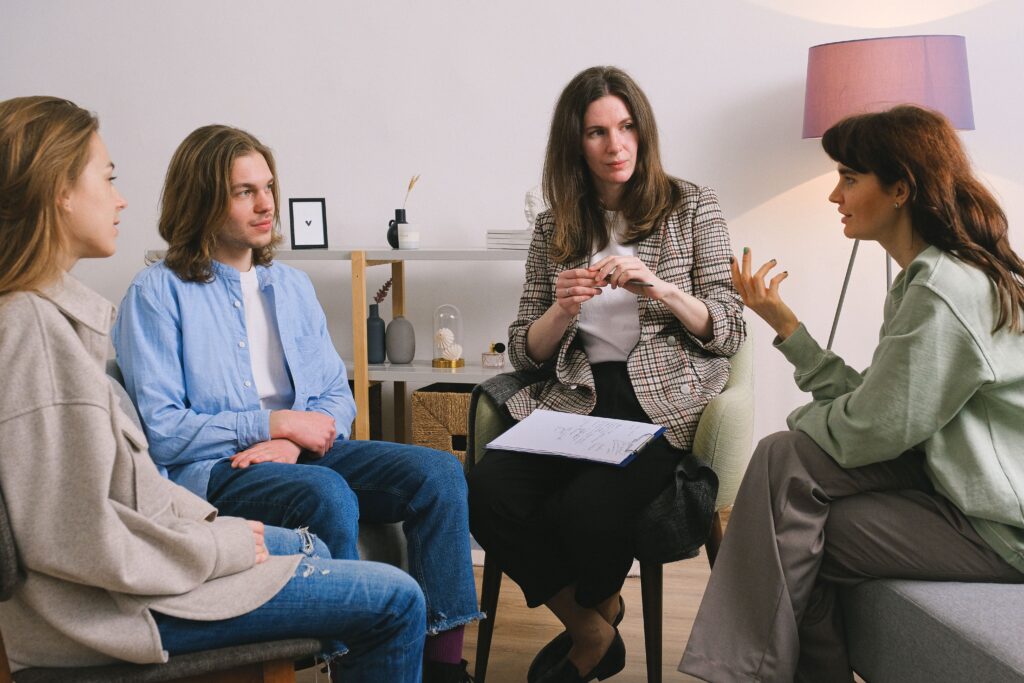
We don’t have to be mental health professionals to take the message of World Mental Health Day into our everyday lives. We can begin with the way we respond to the people around us. When someone shares that they’re struggling, we might resist the urge to immediately offer advice. We might ask:
What has this been like for you?
What do you wish people understood?
Would it help to talk about it, or would you prefer something else right now?
We can also recognize that people don’t owe us their personal stories. Some people want to speak openly about their mental health. Others prefer privacy. Some find it helpful to share with friends or family, while others feel more comfortable with a therapist, a peer support group, or another trusted person. Respecting someone’s voice includes respecting their choices about when, how, and whether they share.
And when someone does tell us what they need, we can consider what we’re able to do in response. Perhaps that means offering practical support, changing an assumption, making a space more accessible, or helping someone connect with appropriate resources. Listening doesn’t require us to have all the answers. It asks us to remain curious about an experience that may be different from our own.
From Individual Voices to Real Change
World Mental Health Day also asks us to think beyond individual conversations. What happens when the people who use mental health services have meaningful opportunities to help shape them? Their experiences may reveal obstacles that aren’t obvious from the perspective of an organization.
Perhaps appointment times make care difficult to access. Perhaps information about treatment options is confusing. Perhaps people don’t feel included in decisions, or certain kinds of support are missing from their communities.
Listening to these experiences can help organizations identify what needs to change. But meaningful participation requires more than collecting feedback. It means creating opportunities for people to influence decisions, contribute to service design, and see how their input is being used.
This is a central message of the World Health Organization’s 2026 campaign: mental health systems should be developed with people who have lived experience, not merely for them.
Our Commitment to Whole-Person Care at The Lotus Center
At The Lotus Center, we believe understanding mental health begins with understanding the whole person. Your emotional well-being, physical health, relationships, life circumstances, and sense of meaning can all be important parts of your experience. That’s why our approach brings together different forms of care, including psychotherapy, medical services, and opportunities for spiritual exploration and community connection.
But whole-person care isn’t simply about offering a variety of services. It’s about listening to your concerns, considering your individual needs, and helping you explore appropriate options. Your provider brings clinical knowledge and experience. You bring knowledge of your own life, preferences, values, and goals. Both belong in the conversation.
We also recognize that listening is an ongoing responsibility. We want to continue learning from the experiences of the people we serve and finding ways to make our care more responsive to their needs.
This World Mental Health Day, Let’s Begin With Listening
Mental health awareness is important, and awareness becomes more meaningful when it changes how we treat one another, how we provide care, and how we respond to the people whose lives are affected.
This October 10, consider what it might mean to listen a little differently. To ask before assuming. To make room for experiences that don’t match our own. To recognize that people are more than their symptoms or diagnoses. To remember that the people experiencing mental health challenges have an important role in shaping the support they receive.
Every person has a story. Every experience deserves to be taken seriously. And every voice deserves an opportunity to help shape what comes next.
Your Experience Matters at The Lotus Center
Whether you’re already receiving care at TLC or considering reaching out for the first time, we welcome your questions, concerns, and goals. If something about your care isn’t working for you, if your needs have changed, or if you’re curious about additional support, we encourage you to start a conversation with your provider or our team. We’re here to listen and help you explore appropriate next steps.
Explore Our Areas of Support →
Call us anytime at: 385-272-4292